
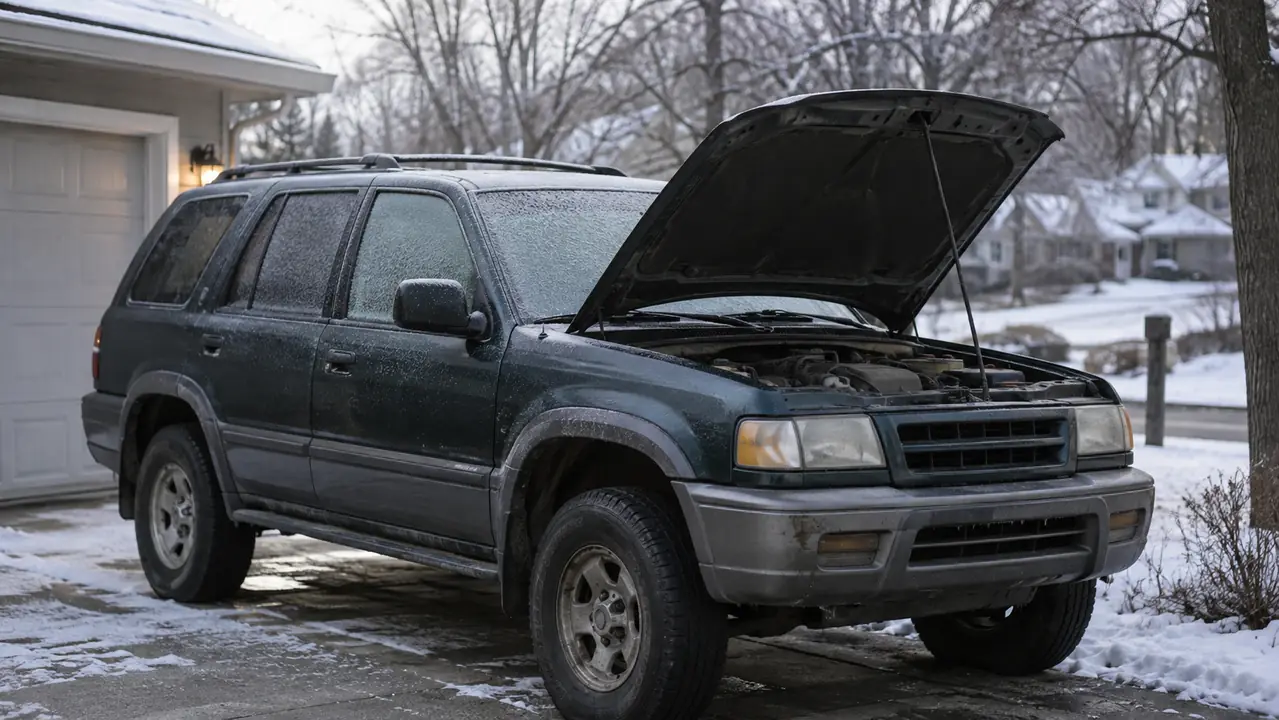
The first time it happened, I was standing in my driveway at 5:40 on a Tuesday in January, watching the dash lights of my 2016 Highlander go dim. The engine turned over once, then not at all. I had a sales call in Bolivar at eight that morning, the temperature was 19 degrees, and the jumper cables in my cargo area only work when another car is willing to come to you. No second car was coming. That morning cost me the call and about an hour of waiting on a neighbor with a truck. When I got home, I ordered the NOCO Boost GB40 and promised myself I would never let a dead battery run my schedule again. Two winters later, that same little unit has started my Highlander more times than I can count without a logbook. It has never let me down once.
I am telling you this from the perspective of a normal driver, not a car guy. I am 57, I put about 30,000 miles a year on that 2016 Highlander, which now has 191,000 miles on the odometer, and my garage is a single bay with one overhead light and a cheap socket set. When the original battery started to die, I learned two things. The first is that a car does not care about your schedule. The second is that most jump-start products are either too complicated or too heavy to actually carry around. The NOCO Boost GB40 is neither.
The Quick Verdict
Two winters, fourteen dead-battery starts, and zero failures. It has earned a permanent spot in my cargo area.
Amazon Check Today's Price →Stop Depending on a Second Car You Don't Have
The NOCO Boost GB40 is the one piece of emergency gear I no longer leave home without. It starts a dead gas engine in under a minute, it does not need another vehicle, and it has never failed me in two winters. If you drive anything more than a few years old, this belongs under your seat before the next cold snap.
Amazon Check Today's Price on Amazon →How I've Used It
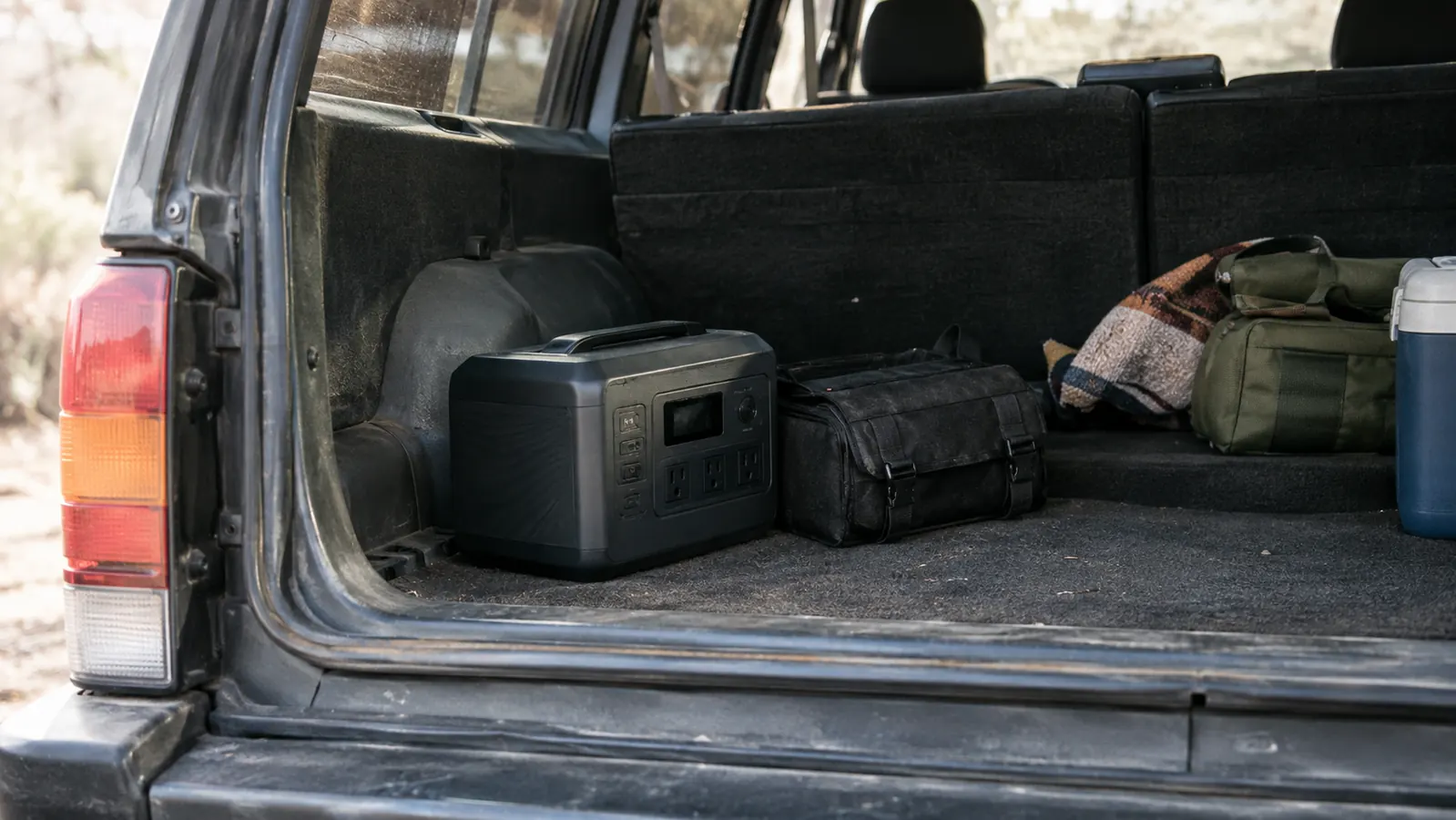
The GB40 lives in the cargo area of the Highlander, tucked against the side behind the rear seat. I put it there the day it arrived and promptly forgot it for the first couple of weeks. That is exactly what I want from a safety tool. If it were bulky enough to be a nuisance, it would end up in the garage at home, which is the one place it cannot help you.
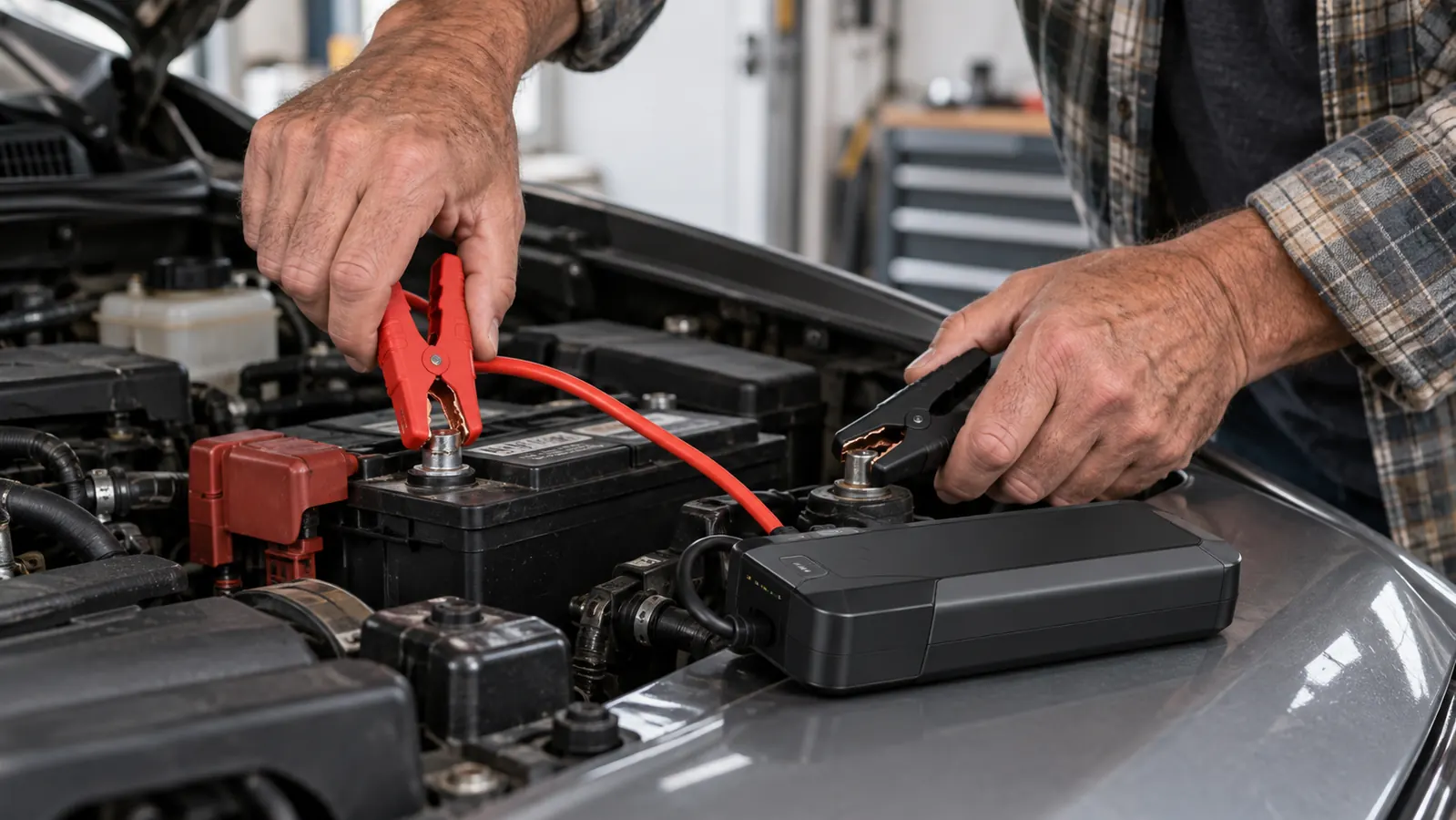
The first real test came on a two-day sales run up US-65. I came out of a gas station, turned the key, and got the fast click of a battery that was done. I opened the hatch, dug out the GB40, and connected the clamps to the battery. The unit has a light that lets you know it is ready. I waited for it to go solid and turned the key. The Highlander started on the first try. It took less time than paying for the gas.
Over the next two winters, that scene repeated itself often enough to become routine. The original battery was on its way out, and the GB40 was the reason a dead battery never turned into a missed appointment. It also taught me something important: a jump starter gets you going on the morning a battery dies, but it is not a permanent fix. The battery in my Highlander eventually needed to be replaced. Until the new one arrived, the GB40 started the car every morning for four days in a row. It never sounded strained.
What the NOCO Boost GB40 Actually Does
Inside the GB40 is a lithium battery that stores enough power to deliver a short, strong burst to a 12-volt system. The stated peak current is 1000 amps, which goes well beyond what a 3.5-liter V6 needs. That is why it starts the Highlander without complaint even on mornings in the teens. The unit is not just a simple connection. It has a smart circuit that checks the connection before it sends power, which is the safety net I appreciate.
The two features I care about are separate. First, the clamps are protected against sparking, so you do not get the nervous moment you get with traditional cables. Second, reverse polarity protection means that if you connect them backward, the unit will not send current. It may beep and flash, but it will not let you cook the computer in your car. I have never intentionally tested that feature, but knowing it is there changes how calm you feel when doing this in the dark at a rest stop.
The GB40 also has a USB port and a flashlight. The flashlight is not an afterthought. It has several modes, and I have used it more than the jump function when digging something out of the back at night. The USB port has rescued my phone during an all-day sales route. In that sense it pulls double duty as a power bank. None of this makes it complicated. It is a battery that starts cars, charges phones, and lights up a dark spot.
Two Winters In: Fourteen Starts and Counting
I did not plan to keep a spreadsheet, but I have a rough count. In two winters, the GB40 started the Highlander fourteen times. The first ten were the old battery failing in slow motion, usually on cold mornings or after the car had sat for a few days. The last four were the four days I drove on a dead battery while waiting for a replacement to be delivered. Every single one of those starts happened on the first try.
What impressed me is that the unit did not get worse with use. Its performance in the second winter was the same as the first. It held its charge well when stored in the car, and it did not care whether it was 19 degrees or 88 and humid. The GB40 stayed ready. That consistency is more important than the starting power itself. Emergency gear is only useful when it works the one time you forget it is there.
I also used it to help two other people in parking lots last winter. Both times the other driver had a dead battery and no cables. Both times the GB40 started their car on the first attempt. The second driver asked me what the unit was. She had never seen a jump starter that was not a set of cables. I think that is where most people are still living.
Why It Beat the Old Jumper Cables
For years I carried a set of 12-foot jumper cables in the Highlander. They were there because they were cheap and because I had been taught that cables were the only option. The truth is that in a real dead-battery situation, cables need a second car. That second car has to park close enough, with the hood where it is convenient, and the driver has to be willing to help. On a 19-degree morning in Missouri, that is a lot of conditions.
A jump starter removes every one of those conditions. You are the second car. I know that sounds like a sales pitch, but after two winters I cannot unlearn what it is like to walk back to my own vehicle, hook up a portable unit, and watch the engine turn over without asking anyone for help. The NOCO turned the Highlander into a self-contained rescue kit. For a person who drives alone on rural two-lane highways as much as I do, that is the difference between a bad morning and just another morning.
Where the GB40 Falls Short
The GB40 is not the tool for every engine on the road. If you drive a heavy diesel truck or something with a very large engine, check the amp rating before you buy. One thousand amps will handle a normal gas SUV or sedan, but it is not a substitute for a commercial booster. I have never needed more than this unit gives the Highlander, because the Highlander is exactly the kind of vehicle this product was built for.
The bigger limit is the one you bring to it. The GB40 must be charged now and then. It holds a charge for months, so this is not a weekly task, but it is a task. I top mine off about every six weeks. If you buy one, put it in the car, and forget it for a year, you may find two dead batteries on the morning you need it. That is a user error, not a product flaw, but it is real.
I also want to be blunt: a battery that is actually finished will not be saved by a jump starter. The GB40 gets you going, but you still need a new battery. In my case, the original battery had been weak for months. The GB40 made those months workable instead of miserable. When the battery finally died for good, the NOCO never hesitated, but no amount of jumping was going to fix that battery. I replaced it. That is the honest division of labor.
Would I Buy It Again
Without hesitation. I have bought plenty of car gadgets that made sense in the store and disappointed on the road. The GB40 is not one of them. Every time I clean out the cargo area, I see it sitting there and I make a point of leaving it where it is. That is the highest form of praise a safety tool can earn. It stays because it works.
I know what this unit costs, and I know what a single tow bill would have been on that first January morning. I would rather spend the money once on a battery that sits quietly in my car for years than spend it on one frozen hour waiting beside the road. That is the math that made sense to me, and nothing in two winters has changed it.
What I Liked
- Starts a dead gas engine in under a minute without a second car
- Compact enough to live in a cargo pocket and easy to ignore until needed
- Spark-resistant clamps and reverse polarity protection make it forgiving for non-mechanics
- Holds its charge for months and doubles as a USB power source and flashlight
- Consistent performance across two winters and a wide range of temperatures
Where It Falls Short
- One thousand amps is not enough for a heavy diesel or commercial vehicle
- You have to remember to recharge it every month or two
- It starts a car with a dying battery, but it does not replace that battery
Fourteen starts in two winters. Zero failures. That is the whole review in one number.
Who This Is For
This is for anyone who has ever stood in a parking lot waiting for help that was not coming. It is for the person whose car is old enough that the battery is a question mark in December. It is for the driver who does not want to have to know a stranger well enough to ask for a jump. It is also for the person who wants the confidence to help someone else. If you are that person, the GB40 is the right tool, and it will probably outlast your current battery.
I put it in the same category as a spare tire and a jack. You do not plan to use it, but when you need it, you need it that same minute. Unlike a spare tire, it fits in a corner and does not ask for attention until you need it. For my money, that is the definition of the right kind of insurance.
Who Should Skip It
If your car is under warranty, spends its nights in a heated garage, and starts on the first turn every time, you may not need this. If you already own a good jump pack and keep it charged, you do not need a second one. The GB40 is for the common case, not the exotic one. And if you drive a diesel work truck or something with a battery bank bigger than this unit's reach, buy the size that matches the vehicle.
I also would not hand this to someone who is not willing to read the short manual. It is simple, but it is not magic. You need to know which terminal is positive and keep the unit charged. Those two minutes of reading are the whole price of admission. If that sounds like work, you probably will not carry it, and an uncharged jump pack is just extra weight.
The Next Cold Morning Is Already on the Calendar
I replaced the original battery in the Highlander this year, and I still keep the GB40 in the cargo area. It has earned that spot because I know exactly what will happen when I need it. Check today's price on Amazon and put one in your car before the season changes.
Amazon Check Today's Price on Amazon →